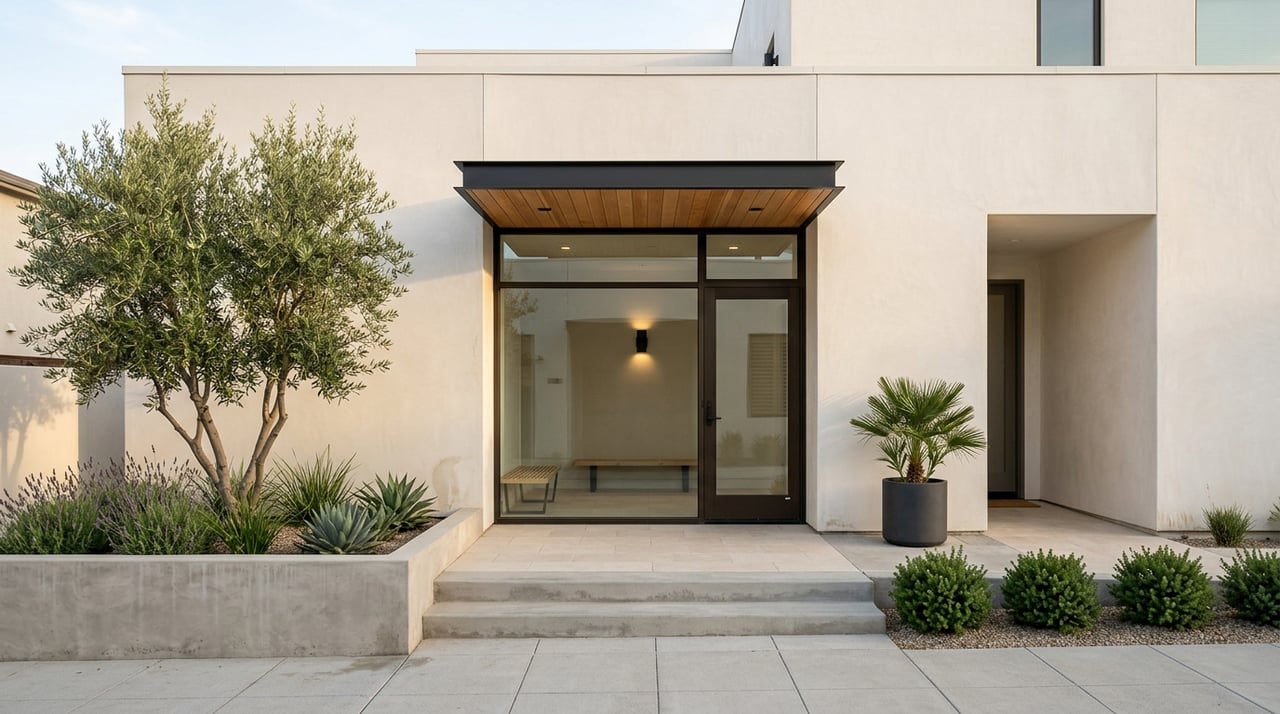
Are Milpitas Condos Near BART Right for Investors?
May 7, 2026
May 7, 2026
Looking for a Silicon Valley investment that feels more manageable than a single-family rental? Milpitas condos near BART often stand out for a simple reason: they sit in a transit-connected, job-rich part of the market where renter demand has real support. If you are a local buyer, a relocating professional, or an overseas investor, understanding the tradeoff between convenience, carrying costs, and long-term potential can help you buy with more confidence. Let’s dive in.
Milpitas Station is located at the Milpitas Transit Center on South Milpitas Boulevard and serves as the northernmost BART station in Santa Clara County. City planning documents describe the surrounding area as an evolving transit-oriented district, shifting from older industrial and auto-focused uses toward a more walkable mixed-use neighborhood.
That matters for investors because location value is not only about today’s convenience. It is also about the city’s long-term direction. The Metro Specific Plan expanded the planning area from about 437 acres to about 510 gross acres, with a stated goal of accelerating the area’s transformation into a connected transit-focused neighborhood.
The city’s Innovation District planning also points to added parks and trail connections near the transit center. In practical terms, that suggests the station area is still in an active redevelopment phase rather than a finished story. For buyers who care about long-term livability and resale appeal, that is worth watching.
Rental demand usually starts with jobs, and Milpitas has a strong economic base. The city reports nearly 50,000 jobs, with about 41,000 people working in high-tech and professional sectors during the day. Major employers include Cisco, KLA, Western Digital, Amazon, BD Biosciences, Flex, and TDK Headway Technologies.
Milpitas also has more than 5 million square feet of retail anchored by the Great Mall. For renters and owners alike, that mix of employment and daily convenience can support demand for homes with easier access to transit and major roads.
If you are buying for investment, this is one reason Milpitas near BART continues to draw attention. The appeal is not just the train station itself. It is the combination of rail access, freeway access, retail, and a city-backed employment base.
Milpitas is not a low-cost entry market, even for attached homes. Redfin currently shows 53 condos for sale in Milpitas at a median listing price of $999,000 and 26 townhouses at a median listing price of $1.19 million. Zillow’s broader Milpitas market page shows an average home value of $1.50 million, a median sale price of $1.309 million, and median days to pending of 14 as of March 31, 2026.
That fast pending pace tells you buyers are still active. It also means investors should be ready to evaluate value quickly and carefully.
Not all BART-adjacent properties are priced the same. Recent resale examples show a meaningful spread based on age, product type, and community features.
A 2-bedroom townhome-style condo at 353 San Miguel Court sold for $565,000 with HOA dues of $517 per month. At the higher end, a 3-bedroom Parc Metro townhome at 885 Spirit Walk sold for $1.18 million with HOA dues of $295 per month, while a newer Lee Way townhome sold for $1.185 million with HOA dues of $280 per month and was marketed as near BART and Great Mall.
The key takeaway is simple: older condo stock may offer a lower entry point, while newer transit-oriented townhomes often command much higher pricing. If you are comparing options, make sure you are comparing like with like.
For condo and townhome investors, HOA dues are not a side note. They are a core part of your monthly ownership cost and can strongly affect your returns.
Current Milpitas examples range from about $235 per month to $775 per month, with many listings clustering around roughly $280 to $517 per month. That is a wide spread, and it can change your monthly math quickly.
The fee itself only tells part of the story. In Milpitas listings, HOA dues may cover items such as:
If the HOA covers more, a higher monthly fee may not always be a negative. Some costs that a single-family owner would pay separately may already be bundled into the dues.
Rental rules can also vary from one community to another. Some listings advertise no rental restrictions, while others highlight owner-friendly rules or lower dues.
Before you rely on projected rental income, review the HOA’s CC&Rs, budget, reserve study, master insurance coverage, and any history of special assessments. For an overseas investor especially, this step is essential because HOA health can affect both monthly cash flow and future resale value.
It is easy to focus on price and rent, but ownership cost in California includes more than your loan payment. Under Proposition 13, the base property tax rate is 1% of assessed value, plus voter-approved bonds and assessments.
That means your real monthly cost should include:
If you are investing from overseas or from outside the Bay Area, this full-cost approach matters even more. A property can look attractive at first glance and still underperform if you underestimate these ongoing expenses.
Milpitas remains an expensive rental market, which helps explain why investors keep looking here despite high purchase prices. Zillow’s housing market page shows average rent of $3,377 as of March 31, 2026, while Zillow Rental Manager shows an average of $3,703 as of May 2, 2026. The difference reflects different data products and time periods, but both point to a relatively high-rent market.
Zillow Rental Manager also lists average rents of $2,860 for one-bedroom units, $3,641 for two-bedroom units, and $4,500 for three-bedroom units. The City of Milpitas reported a median rent of $3,001 in 2023 and noted that the vast majority of rental units rent for more than $3,000 per month.
The city also states that rising home prices and interest rates have made homeownership out of reach for most renter households. That supports the idea that renter demand may remain steady in this market.
Broader regional data points in the same direction. CBRE reported Silicon Valley multifamily rent growth of 3.7% and vacancy of 3.0% in Q2 2025.
While apartments are not the same as individually owned condos or townhomes, low vacancy and positive rent growth support the general demand picture in a transit-connected, employment-driven submarket like Milpitas.
Milpitas condos near BART are usually more of a long-term hold story than a high-cash-flow story. Using Redfin’s median condo list price of $999,000 and Zillow Rental Manager’s average two-bedroom rent of $3,641, the rough gross yield is about 4.37%.
Using Redfin’s median townhome list price of $1.19 million and the same average two-bedroom rent, the rough gross yield is about 3.67%. These are only gross-yield benchmarks, not true cap rates, because they do not subtract HOA dues, taxes, insurance, vacancy, or management.
Once you fully load those costs, many Milpitas condo and townhome purchases are likely to land in low-single-digit net cap-rate territory. For many investors, that means the case for buying may rest more on location quality, demand support, ease of ownership, and long-term appreciation potential than on immediate cash flow.
For local tech professionals, Milpitas near BART offers a practical mix of rail access, freeway connectivity, retail convenience, and access to a strong employment corridor. That can make an attached home appealing both as a primary residence and as a future rental.
For overseas investors, the attraction is often different. A condo or townhome may offer a more manageable ownership format than a detached home, especially if you value lower exterior maintenance responsibilities and easier remote oversight.
The tradeoff is that yields can feel compressed. That is why careful underwriting matters so much in this part of Silicon Valley.
If you are considering a Milpitas condo near BART, focus on the details that most affect long-term performance.
This checklist can help you move past the headline price and evaluate the property like an investor.
Milpitas condos near BART can make sense if you want to buy in a transit-oriented Silicon Valley location with strong job drivers and city-supported redevelopment around the station. What they usually do not offer is easy, high-yield cash flow.
If you buy here, the winning strategy is often disciplined selection. The right unit, in the right HOA, with the right rental flexibility and a realistic cost analysis, can be far more important than simply buying the cheapest option near the station.
If you want help comparing communities, reviewing monthly cost assumptions, or narrowing down the best fit for your goals, Vincent Choi offers high-touch guidance for local and overseas buyers across Milpitas and the broader Silicon Valley market.
Stay up to date on the latest real estate trends.


Real Estate Agent with 25+ years of experience selling homes in the Bay Area. Ready to buy or sell your home today? Work with Vincent today!