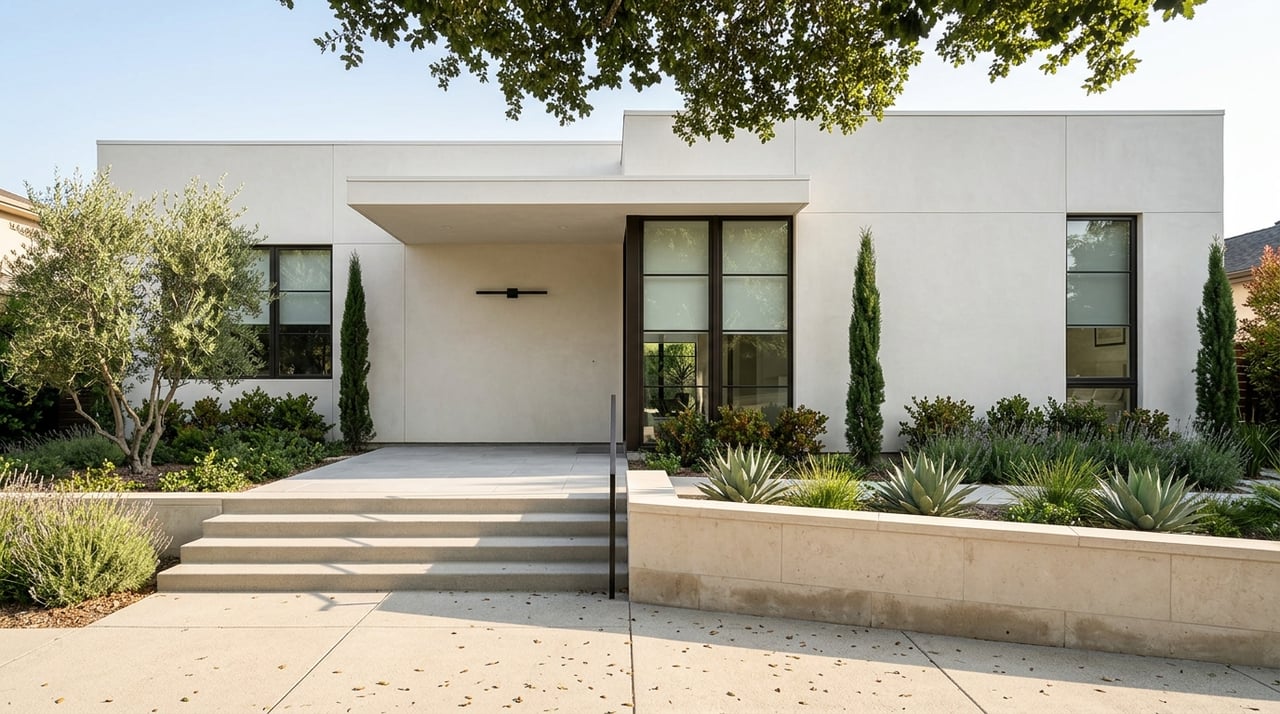
Saratoga Neighborhood Comparison: Downtown or Foothills?
May 14, 2026
May 14, 2026
Wondering whether Saratoga’s village core or its hillside streets will feel more like home? It is a smart question, because in Saratoga, your day-to-day experience can change a lot depending on where you live. If you are trying to balance convenience, privacy, scenery, and long-term fit, this guide will help you compare Downtown Saratoga and the foothills in a practical way. Let’s dive in.
In this comparison, Downtown Saratoga means Historic Saratoga Village along Big Basin Way off Highway 9. The City of Saratoga describes the Village as the heart of the city, with dining, shops, galleries, coffee houses, parks, trails, and recurring community activity. If you like having local destinations close by, this area usually offers the most convenient daily routine.
The Village also has a more active, pedestrian-facing feel than other parts of Saratoga. Community events such as Saratoga Nights in the Village, along with features like weekly street sweeping, reflect a busier downtown environment. For many buyers, that adds energy and a stronger sense of being in the middle of local activity.
The foothills generally refer to Saratoga’s western hillside areas. The city identifies much of this area as part of the Wildland Urban Interface, and Saratoga’s planning documents emphasize a semi-rural ambiance and distinctive hillside character. If you picture a quieter setting with more natural surroundings, the foothills often align with that lifestyle.
Compared with the Village, the foothills are shaped more by slope, trees, open-space edges, and scenic views. Saratoga’s planning framework for hillside areas supports rural character and low-intensity development. That means the foothills tend to feel less compact and more space-oriented.
If walkability is high on your list, Downtown Saratoga usually has the edge. The Village concentrates restaurants, shops, galleries, coffee spots, parks, and community events in one central area. That makes it the easier choice if you want shorter trips for errands, casual meetups, or a simple dinner out.
You should still expect Saratoga to function as a largely car-based city overall. The city’s circulation plan notes that State Route 85 is the only freeway within Saratoga, with regional access also coming from Interstate 280 and State Route 17. Even so, the Village offers the most central and convenient setup within Saratoga itself.
The foothills usually involve more driving for daily needs. Because these areas sit in Saratoga’s western hillsides, local trips may include winding roads and longer drives to downtown services. For some buyers, that extra separation feels peaceful. For others, it can make everyday logistics less convenient.
The city also identifies hillside streets such as Bohlman Road and parts of Canyon View Drive as slower-travel corridors with limited right-of-way and typically no on-street parking. That is not a dealbreaker, but it is an important lifestyle detail to weigh before choosing a foothill address.
The Village area has a tighter, more developed pattern than the foothills. Saratoga adopted Village Design Standards in 2026 to preserve historic character, and city guidelines emphasize a main-street format with careful treatment of street frontage. The city also has a lot-consolidation program encouraging smaller parcels under one-half acre to be combined to support the scale envisioned for the area.
In simple terms, downtown homes and properties are usually part of a more compact setting. If you enjoy a traditional downtown rhythm and a built environment with shops and services nearby, that can be a strong advantage.
The foothills follow a very different land-use pattern. Saratoga’s General Plan says hillside open-space areas support rural hillside character, low-intensity uses, and very low-intensity residential development. In some locations, density can range from one dwelling unit per 20 acres to one dwelling unit per 160 acres.
That does not mean every foothill home sits on a huge parcel, but it does show the broader planning intent. If you want a setting that generally feels more open and less densely developed, the foothills are more likely to match that goal.
Downtown Saratoga is more about streetscape, storefronts, and a classic small-town main street setting. You may value being near local gathering spots and seeing more activity around you. For buyers who want a lively but still polished local feel, the Village often stands out.
This can be especially appealing if your ideal weekend includes coffee, a casual stroll, or attending community events without a longer drive. The appeal is less about land and views, and more about convenience and connection.
In the foothills, the setting tends to shift toward trees, slopes, and open-space edges. Saratoga’s parks, trails, and broader open-space planning reinforce that natural contrast with the Village. Buyers who prioritize scenery and a quieter backdrop often start here.
If your idea of home leans more toward privacy, natural surroundings, and a slower pace, the foothills may feel like a better fit. The tradeoff is that the experience is usually less centered on walkable daily amenities.
This is one of the biggest practical differences between the two areas. Saratoga says the Wildland Urban Interface predominantly covers the western hillsides, and WUI properties are subject to brush-abatement requirements and defensible-space maintenance. The city also updated tree regulations effective March 6, 2026 to better protect homes and neighborhoods from wildfire risk, including concerns tied to insurance availability.
If you are considering a foothill home, it is worth understanding that ownership can come with more wildfire-related upkeep. That may include maintenance planning, vegetation management, and closer review of insurance questions. Downtown properties may still require normal property care, but wildfire-specific obligations are generally a more central factor in hillside areas.
No matter where you live in Saratoga, most households will rely heavily on a car. The city’s road network is also designed in part to discourage cut-through traffic in neighborhoods, which helps preserve residential character. That can be a positive for day-to-day calm, but it also means local travel patterns may feel less direct than in more grid-based cities.
Downtown Saratoga usually offers easier access to local services because it sits around Big Basin Way and Highway 9. The foothills often involve more time on local roads before reaching the Village or regional routes. If your schedule is packed and efficiency matters, that difference can feel meaningful over time.
This is the most important point for buyers with school-related priorities: school assignment is not determined by “downtown” versus “foothills” alone. Saratoga residences can feed into four different TK-8 districts: Campbell, Cupertino, Moreland, and Saratoga Union. Two homes with Saratoga addresses can have different district assignments, even if they are relatively close to each other.
Within Saratoga Union School District, the district lists Argonaut Elementary, Foothill Elementary, Saratoga Elementary, and Redwood Middle School. The district also states that it is an open-enrollment district, which means no property addresses are assigned to a specific elementary school within the district and families request a TK-5 school if space permits.
For grades 9 through 12, the Los Gatos-Saratoga Union High School District serves Saratoga-area students, and families are asked to verify residency through the district boundary tool. The main takeaway is simple: if schools matter in your search, always verify by exact address instead of relying on a neighborhood label.
If you are choosing between Downtown Saratoga and the foothills, the decision often comes down to what you want your daily life to feel like. Downtown is usually the better fit if you want convenience, a more compact setting, and easy access to dining, shops, and community activity. The foothills are often the better match if you want a quieter environment, a more natural setting, and a lower-density land-use pattern.
Neither area is universally better. The right choice depends on how you weigh errands, scenery, drive times, upkeep, and address-specific factors like school boundaries. A well-informed home search in Saratoga should look beyond the zip code and focus on the details of each property and street.
If you want help comparing specific Saratoga addresses, school-boundary questions, or the tradeoffs between convenience and hillside privacy, Vincent Choi can help you evaluate the options with clear, local guidance.
Stay up to date on the latest real estate trends.
Real Estate Agent with 25+ years of experience selling homes in the Bay Area. Ready to buy or sell your home today? Work with Vincent today!