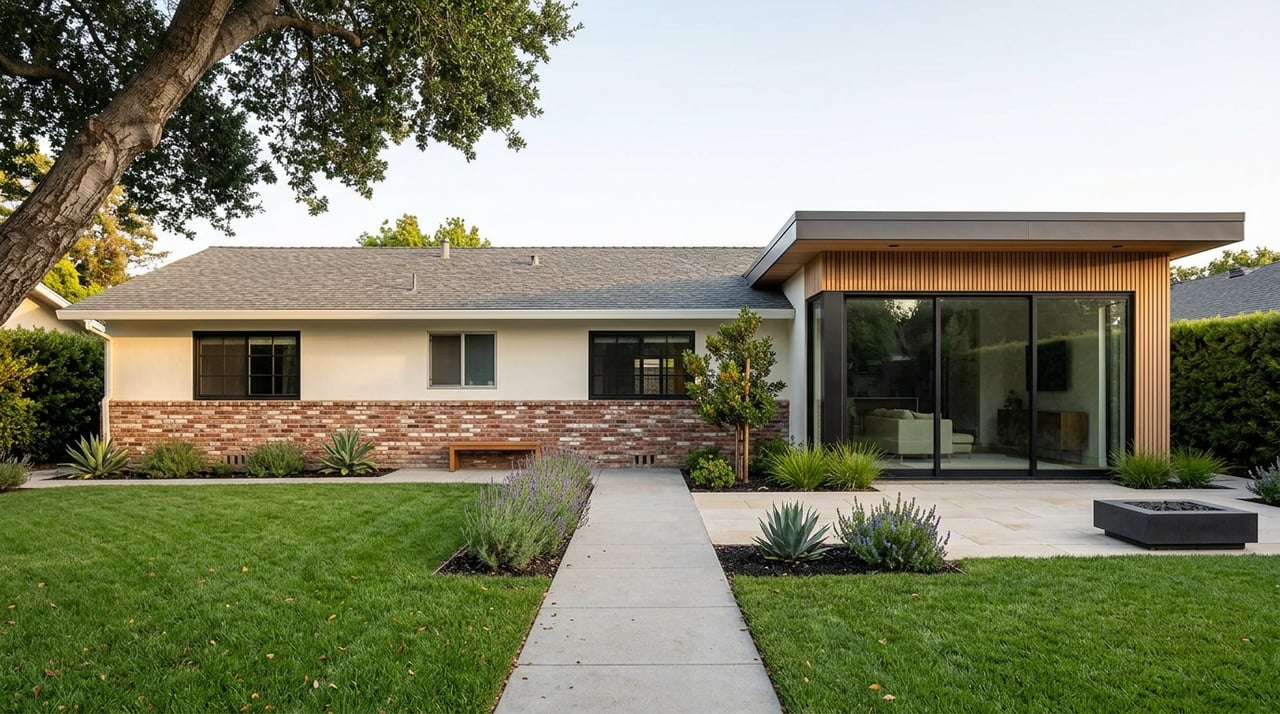
Los Altos Ranch Homes And Their Remodel Potential
May 21, 2026
May 21, 2026
Wondering whether an older ranch home in Los Altos is a hidden gem or a project that could quickly get complicated? You are not alone. Many buyers and homeowners are drawn to these classic one-story homes because they often sit on generous lots and offer a practical starting point for modern updates. If you want to understand what gives Los Altos ranch homes their appeal, what limits or expands remodel potential, and which improvement paths tend to make the most sense, this guide will help you sort through it. Let’s dive in.
Los Altos saw major growth after World War II, and the city’s design guidance notes that ranch homes became popular in the early 1950s because they were efficient to build and made efficient use of space and materials. That history still shapes the housing stock you see today. Many of these homes remain a familiar part of the local streetscape.
The city also describes Los Altos neighborhoods as having a semi-rural feel, with larger lots, lighter site coverage, and mature landscaping. That setting is a big reason ranch homes continue to attract attention. In many cases, the original home already fits naturally with the lot, which can make thoughtful updates feel more seamless.
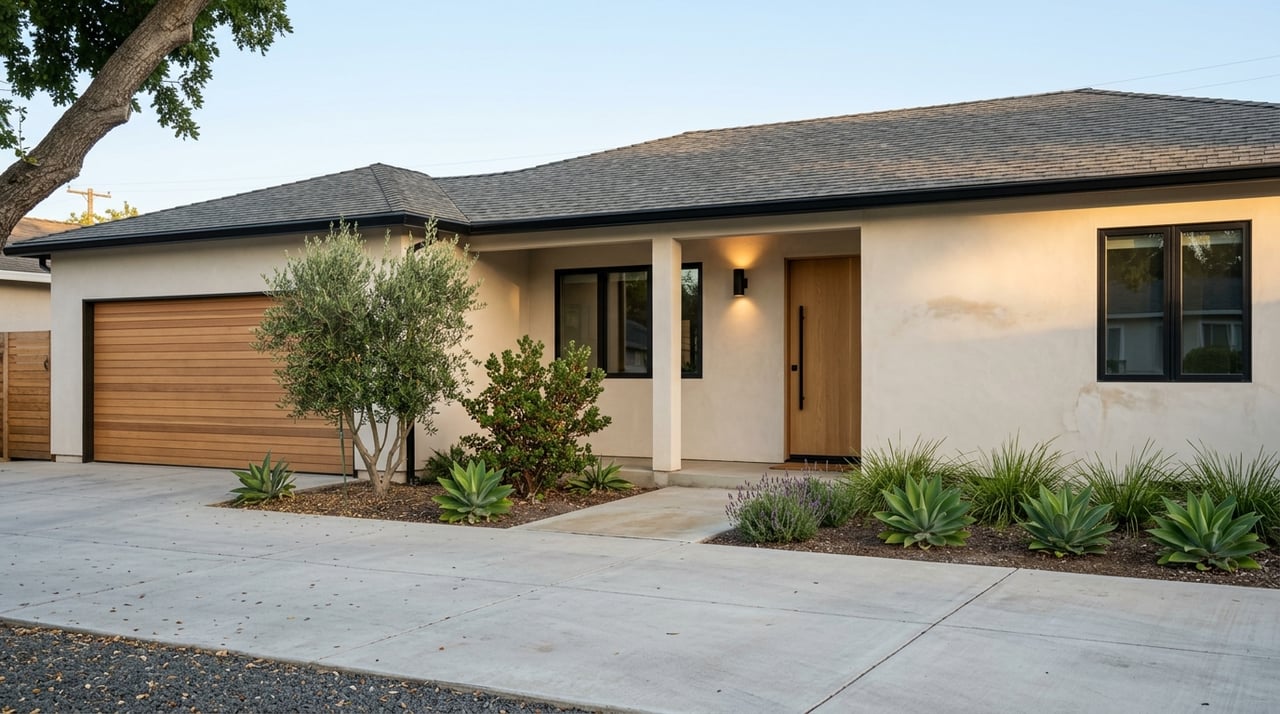
Ranch homes in Los Altos are often simple rectangular houses with low-pitched roofs and attached garages. That straightforward form can be an advantage when you are thinking about remodeling. It often gives you a clean base for reworking interior flow, extending the rear of the home, or improving curb appeal without completely changing the character of the property.
Not every ranch home in Los Altos offers the same flexibility. Before you assume a property can support a major addition or a second unit, it helps to understand the local site and zoning factors that shape what is possible.
Los Altos single-family zoning includes R1-40, R1-20, R1-H, and R1-10 districts, with minimum lot areas of 40,000, 20,000, 20,000, and 10,000 square feet. That is a wide range. A ranch home on a larger parcel may offer very different expansion options than a similar home on a smaller lot.
Even within the same zoning district, lot shape and existing house placement can make a big difference. In the R1-10 district, city materials show a minimum width of 80 feet, minimum depth of 100 feet, a 25-foot front setback, and a 27-foot height cap. Those standards mean a remodel is not just about total lot size. It is also about where the current home sits and how much usable yard area remains.
In Los Altos, exterior alterations, additions, and new construction in single-family areas are subject to design review. The city says its Residential Design Guidelines are intended to support neighborhood compatibility, not force one architectural style. That gives owners some flexibility, but it also means the design needs to respond well to the site and surrounding homes.
One-story applications are typically reviewed by staff. Larger changes, especially two-story additions, receive closer scrutiny because of concerns related to bulk, privacy, and neighborhood transition. If you are evaluating a remodel candidate, this is one reason a simple-looking project can be easier to execute than a more ambitious vertical expansion.
The city’s guidelines emphasize preserving mature trees, minimizing grading, and avoiding garage-heavy front elevations. In practical terms, the strongest remodel plans tend to work with the property instead of forcing a dramatic new footprint. In Los Altos, low-profile improvements that respect the lot often align better with both city guidance and buyer expectations.
If the property is a designated historic resource, exterior changes or additions also trigger review under the city’s Historic Preservation Ordinance. Some historic properties may qualify for Mills Act tax relief, but the review process adds another layer to planning. That is worth checking early if you are considering a purchase or major remodel.
Ranch homes can support several different improvement strategies. The right path depends on your budget, timeline, lot characteristics, and long-term goals.
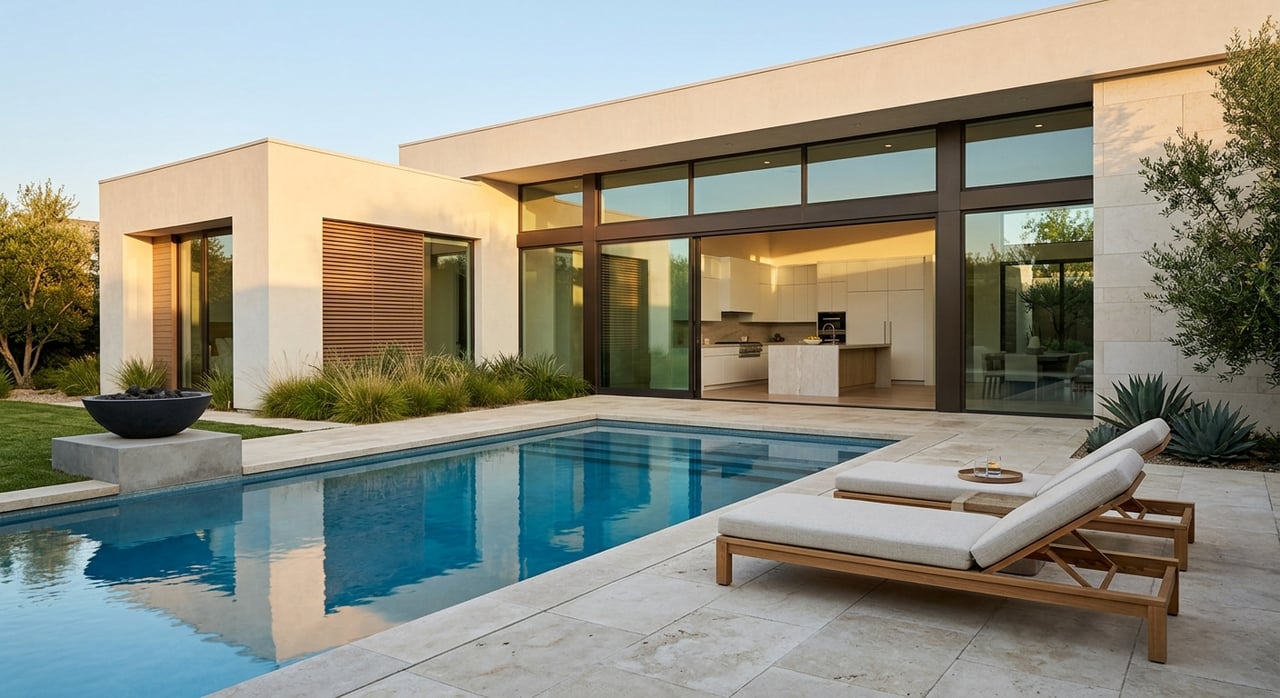
For many owners, the first step is improving the inside rather than adding square footage. Ranch layouts often lend themselves to opening up kitchens, enlarging shared living areas, and creating stronger indoor-outdoor flow. Because the homes are usually one story with a straightforward footprint, these changes can feel significant without altering the overall massing.
This path can be especially appealing if you like the location and lot but want a more current layout. It also tends to keep the original neighborhood scale intact. That can matter both during design review and later at resale.
The city’s design guidelines specifically note that one-story additions are usually easier to design with minimal impact on privacy, bulk, and overall integration. For that reason, rear additions are often the most natural expansion strategy for Los Altos ranch homes. They can add living space while preserving the simple front-facing character that many buyers appreciate.
If the lot has enough depth, this approach may offer a strong balance of usability and compatibility. It can also reduce some of the design issues that come with building up. For many homeowners, this is the most straightforward way to gain square footage.
A second story can unlock more space without expanding the footprint, but it usually comes with more complexity. Los Altos flags two-story additions in one-story neighborhoods as a transition issue that may require mitigation. Roofline design, window placement, and privacy impacts become much more important.
That does not mean a second story is off the table. It means the design must be especially thoughtful. If you are comparing homes based on remodel potential, a lot that supports a comfortable one-story addition may sometimes offer a smoother path than one that requires building upward.
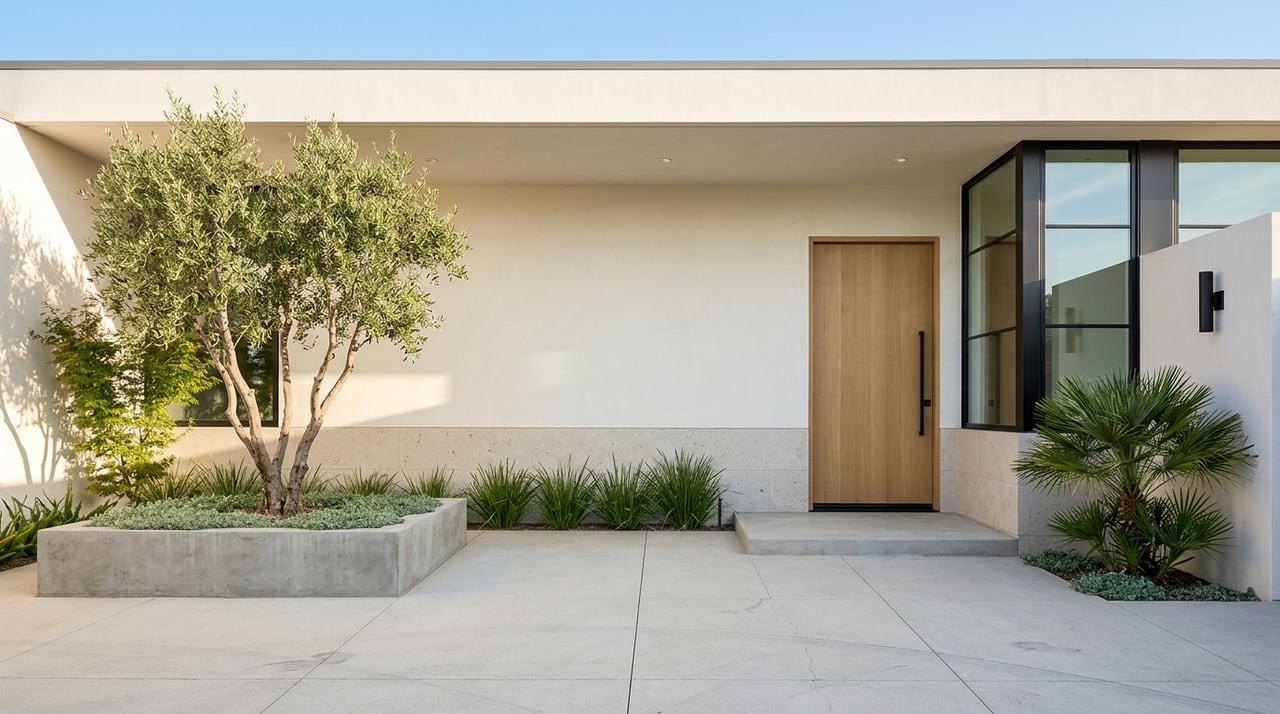
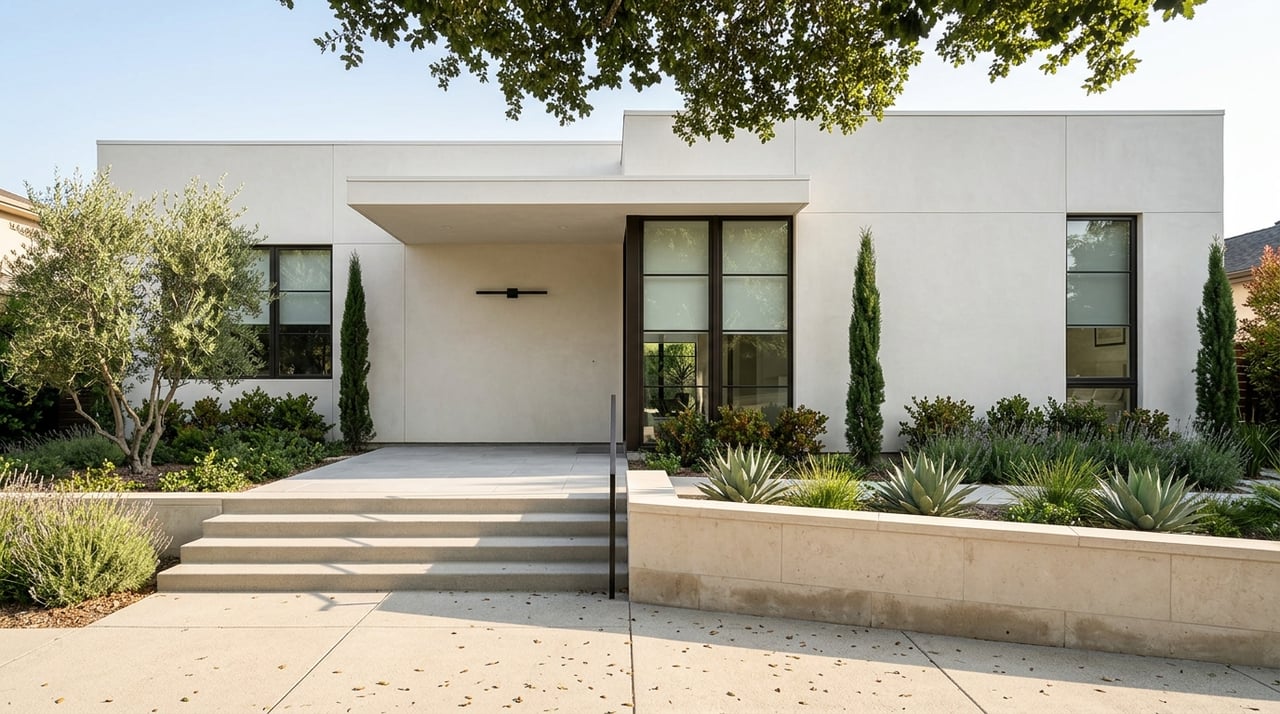
Many older ranch homes were designed around an attached front-facing garage. Today, owners often want a more polished and balanced street presence. Los Altos design guidance encourages garage placement and architectural treatment that reduce garage dominance, whether through setbacks, orientation, or roof and facade elements.
This kind of update can have an outsized impact on first impressions. Even without a major expansion, improving the front elevation can make the home feel more current and cohesive.
Los Altos allows accessory dwelling units and junior accessory dwelling units through a ministerial process, which means no public hearing is required. The city also states that SB 9 allows two units on one lot and urban lot splits in the R1 district under objective standards. In addition, the city launched a permit-ready ADU program in 2025.
For some owners, an ADU or JADU may be a practical value-add strategy. It can create flexible living space, support multigenerational use, or provide rental income potential. On a larger lot, it may also be a lower-disruption option than a major main-house expansion.
Sometimes buyers look at an older ranch home and see a rebuild opportunity instead of a remodel. In Los Altos, that is a separate analysis. The city treats demolition differently from standard addition or remodel work, and older nonconforming structures can lose flexibility if a major share of floor area is removed and replaced.
That distinction matters. A property that seems like a simple expansion candidate may involve very different rules and costs once demolition becomes part of the plan. If you are weighing remodel versus rebuild, you want to understand that line clearly before making assumptions.
One of the biggest misconceptions in remodeling is that every dollar spent automatically translates into value. In reality, appraisers do not simply price a home based on renovation cost. According to the Appraisal Institute, they consider recent comparable sales, property condition, upgrades, market-area trends, and the most profitable use of the property.
That is why the most effective remodels often improve livability while staying close to neighborhood norms. A beautifully designed upgrade may still fall short of a full dollar-for-dollar return if it is overly customized or oversized for the area. In Los Altos, compatibility with the lot and surrounding homes remains important.
For ranch homes, updates that tend to align well with market expectations include:
If you are buying with renovation in mind, financing may also shape your options. Fannie Mae’s HomeStyle Renovation rules require an “as completed” appraisal that estimates value after the work is finished. For some buyers, that can be useful when combining a purchase and improvement plan into one strategy.
If you are house hunting in Los Altos and hoping to unlock remodel potential, it helps to look past finishes and focus on fundamentals. A dated ranch home can be appealing, but the best opportunities usually share a few practical traits.
Here are some smart things to evaluate:
This is where local guidance matters. Two homes with similar square footage can offer very different remodel paths based on zoning, site layout, and review considerations.
Los Altos ranch homes can be excellent candidates for thoughtful improvement, but the best results usually come from matching the plan to the property. A low-profile rear addition may outperform a more aggressive design if it fits the lot better and feels more natural in the neighborhood context. Likewise, an ADU may create more flexibility than a costly second-story project on the wrong site.
If you are a buyer, the opportunity is not just finding an older home. It is finding one where the numbers, design path, and long-term resale story all make sense together. If you already own a ranch home in Los Altos, understanding those same factors can help you choose updates that improve daily living and support future value.
When you want clear guidance on buying, selling, or evaluating a value-add property in Los Altos, working with an experienced local advisor can save time and reduce expensive guesswork. If you are thinking through your options, connect with Vincent Choi for tailored guidance on Los Altos homes, remodel potential, and next steps.
Stay up to date on the latest real estate trends.
Real Estate Agent with 25+ years of experience selling homes in the Bay Area. Ready to buy or sell your home today? Work with Vincent today!