Relocating to Saratoga: Your Neighborhood Guide
December 18, 2025
December 18, 2025
Thinking about a move to Saratoga and not sure where to start? You might be weighing hilltop privacy against downtown convenience, or wondering how daily commutes match up with your budget and lifestyle. This guide gives you a clear orientation to Saratoga’s neighborhoods, housing patterns, commute options, parks and culture, and the practical steps to relocate with confidence. You’ll walk away with a simple framework to shortlist the right areas and plan next steps. Let’s dive in.
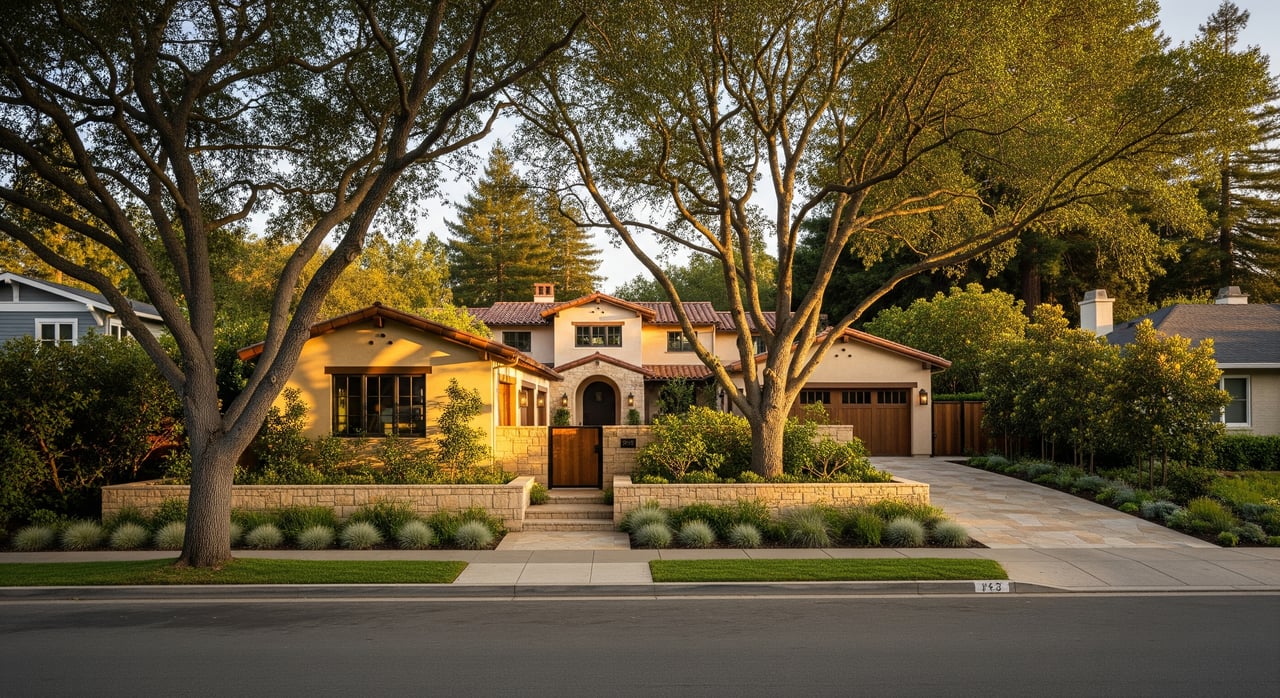
Saratoga sits in the western foothills of Silicon Valley, just west of San Jose and north of the Santa Cruz Mountains. You get a small-town downtown core, tree-lined suburban streets, and scenic foothills that lead to regional parks. The city places a strong emphasis on preserving open space and a low-density residential feel.
Saratoga is an affluent community with a diverse population. To understand current income and household data, use the official U.S. Census QuickFacts for Saratoga. You can also review local planning, zoning, and permitting resources on the City of Saratoga website to see what is allowed for additions, accessory dwelling units, and hillside development.
You will find many subdivision names, but these larger zones help you match lifestyle with location quickly.
Downtown centers on Big Basin Way and Saratoga Avenue. You can walk to restaurants, cafes, boutiques, and periodic cultural events. Nearby homes are mostly older single-family properties with smaller lots by Saratoga standards, plus select condos and townhomes.
This area fits you if walkability and easy access to shops and events top your list. Expect lower density than urban centers, but more compact than the foothills.
These areas feature quiet residential streets and proximity to neighborhood parks. Housing is predominantly single-family on suburban lots, with many remodels and additions over time. Streets feel settled and residential.
Choose this zone if you want a classic suburban feel with straightforward access to local schools and everyday services. Inventory can vary by season, so plan some flexibility if you have a tight timeline.
As you move west and southwest toward Skyline, lots get larger, terrain gets steeper, and the setting becomes more wooded. Many homes are custom, and the area offers immediate access to trailheads and open space. You trade a longer drive to downtown for privacy and nature.
There are extra considerations in the hills. Some properties have increased wildfire exposure and may require defensible space and specific insurance coverage. If you like seclusion and outdoor access, this can be a great fit with careful due diligence.
Neighborhoods near Cupertino and Los Gatos put you closer to core Silicon Valley job centers. You’ll find single-family homes and some townhome or condo options near major surface streets.
This is a practical choice if your commute runs toward Cupertino, Sunnyvale, or Mountain View and you want to minimize drive time.
Compared with nearby cities, Saratoga has fewer large apartment complexes. If you need more rental options, you may look just beyond city limits in neighboring communities. Still, you can find select condos, townhomes, and single-family rentals in Saratoga proper if you monitor the market.
Saratoga’s market sits at the higher end for Silicon Valley, with single-family homes making up most listings. Townhomes and condos can be more attainable, but inventory is limited, and competition can be strong. Rentals exist but are not as plentiful as in denser cities.
Plan a budget that reflects above-average purchase prices and ownership costs. Property tax in California typically starts near 1 percent of assessed value plus local assessments. For parcel-specific details, check the Santa Clara County Assessor. If you are evaluating hillside properties, speak with your insurance provider early about wildfire and slope or geotechnical coverage.
Your main freeways are CA-85 for north-south connections, I-280 for Peninsula destinations, and SR-9 for Los Gatos and mountain access. Highway 17 connects to Santa Cruz if you split time across the hill. Drive time depends heavily on departure time and corridor congestion, so test routes during your likely commute hours.
Public transit is possible but less frequent than in denser parts of the Bay Area. Review VTA bus routes for connections into the West Valley, and consider a park-and-ride strategy to the nearest Caltrain stations in Sunnyvale or Mountain View if you work up the Peninsula. Regional trip planners and traffic apps help you compare drive-and-rail combinations.
Outdoor access is a Saratoga hallmark. Sanborn County Park and other nearby preserves offer hiking, picnic areas, and a quick reset in the redwoods. For weekend variety, residents also visit Castle Rock and Big Basin trail networks, accessible via Skyline and SR-9.
Cultural life is equally strong. The Montalvo Arts Center hosts concerts, art programs, and seasonal events on a historic estate. Downtown Saratoga’s restaurants and cafes add to the calendar with wine tastings, food events, and community gatherings. Hakone Gardens, one of the oldest Japanese-style gardens in the Western Hemisphere, is a favorite for peaceful strolls and cultural programming.
Public K–8 is served by the Saratoga Union School District, and high school students typically attend campuses in the Los Gatos–Saratoga Union High School District. School boundaries and programs can change, so confirm current assignment zones and enrollment timelines directly with each district.
If you are considering private or alternative programs, build extra time into your research and application planning. Keep your agent looped in so home searches align with school priorities.
Use this checklist to organize decisions and avoid surprises.
Clarify lifestyle priorities
Map your commute early
Align home type with budget
Plan for ownership costs
Address hillside specifics
Check permits and city services
Prepare moving logistics
Plan travel and arrivals
Multilingual support
Use this simple plan to balance lifestyle, commute, and budget.
Day 1–2: Big-picture feel
Day 3–4: Commute testing
Day 5–6: Parks and culture
Day 7–8: School and services
Day 9–10: Property types
Day 11–12: Hillside due diligence
Day 13–14: Shortlist and plan
You deserve guidance that connects the dots between lifestyle, commute, schools, and long-term value. With deep local experience, finance fluency, and multilingual support, you get clear advice from first tour through closing. Services include buyer representation, seller strategy, renovation guidance, loan pre-qualification insights, and concierge-level listing support when it is time to sell.
When you are ready to talk specifics, reach out to Vincent Choi for a friendly, data-informed plan that fits your goals. Contact for consultations in English, 中文, 廣東話 or Tiếng Việt.
Ready to start your Saratoga move? Connect with Vincent Choi today.
U.S. Census QuickFacts for Saratoga
City of Saratoga planning and services
VTA bus routes and updates
Nearest Caltrain stations and schedules
Santa Clara County Parks trail info
Montalvo Arts Center events
Saratoga Union School District
CAL FIRE’s Ready for Wildfire
Santa Clara County Assessor
If you want personalized neighborhood shortlists, private showings, or stage-by-stage relocation support, contact Vincent Choi to start a tailored plan.
Stay up to date on the latest real estate trends.

Real Estate Agent with 25+ years of experience selling homes in the Bay Area. Ready to buy or sell your home today? Work with Vincent today!