
Cupertino Home Pricing Strategy for Serious Sellers
January 1, 2026
January 1, 2026
If you price your Cupertino home even a little off, the right buyers may never see it. In a market where inventory stays tight and buyer searches are driven by price filters and bedroom counts, your list price shapes everything from online visibility to offer strength. You want top-line results without wasting time on the market or leaving money on the table. In this guide, you’ll learn a clear, locally tuned pricing playbook that aligns with how buyers shop in Cupertino and how agents analyze value. Let’s dive in.
Cupertino has limited inventory and demand tied to nearby employers and school attendance zones. That creates intense sensitivity to the first list price and the week you launch. Seasonal cycles matter too, with spring often drawing heavier buyer traffic.
Buyer search behavior adds another layer. Many shoppers filter by price bands and bed-bath count. A list price that falls just below a common cutoff can expand your audience, while a price just above can shrink it.
In fast micro-markets, a slightly lower launch price can attract more showings and multiple offers. In cooler periods, overpricing tends to increase days on market and lead to reductions that may lower your ultimate sale price.
A strong pricing plan starts with a tight comparable set that reflects what today’s buyers will use when they evaluate value.
Prioritize closed sales from the last 3 to 6 months in your immediate micro-neighborhood. Begin within roughly a quarter to a half mile, then widen only if truly similar homes are scarce. Match property type and lot class because lot size and product type carry significant weight in Cupertino.
Make line-item adjustments for living area, lot size, bedrooms and bathrooms, garage, and extras like an ADU or pool. Use price-per-square-foot as a starting point, then layer condition and renovation quality separately. If your home is move-in ready with updated systems and recent kitchen or bath work, account for the market premium buyers often pay for turnkey properties.
Compare adjusted comp values against actual sale prices in the same submarket. Cross-check with recent days on market and list-to-sale patterns for similar homes. The goal is a narrow, defensible price range that reflects what the most relevant buyers will see and believe.
Two homes a few blocks apart can perform differently if they sit in different attendance zones or on different types of streets. Micro-neighborhood analysis keeps your comp set honest.
Weight sales from the same attendance zones more heavily than nearby sales in different zones. Also separate quieter cul-de-sacs from higher-traffic streets when comparing. This helps you align with the buyer pool your home will attract.
Consider commute time to major employment centers. Buyers often prioritize predictable commutes, so homes aligned with preferred corridors can draw more demand. Use those patterns to refine comp selection.
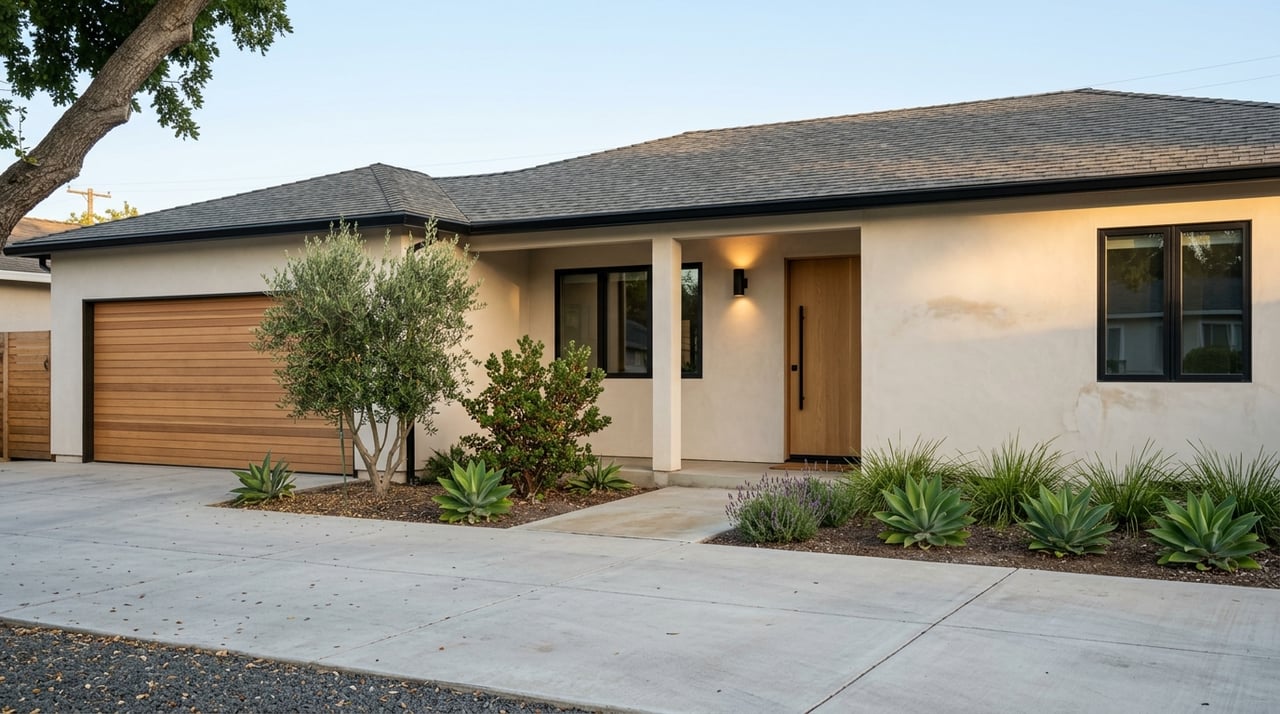
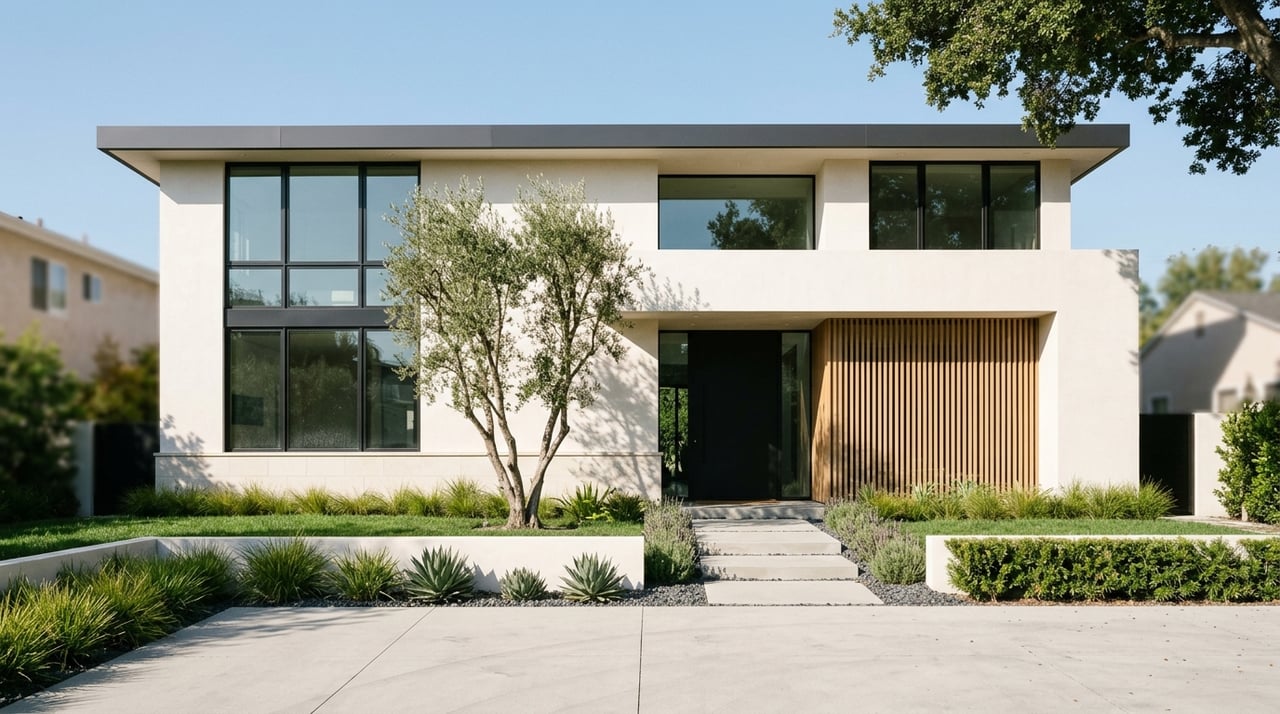
Segment by typical lot tiers in your area and by product type, such as single-story ranch versus two-story modern. This keeps your pricing anchored to the inventory your best buyers will also be touring.
Your launch stance should reflect current demand, competing inventory, and your timeline.
Pricing accurately at market usually balances traffic and buyer confidence. It helps minimize days on market and reduces the need for later price cuts. This is the most reliable approach in mixed or shifting conditions.
A slightly under-market list can amplify early showings and spark multiple offers when buyer activity is strong. Use this when your comp set is clear, your home shows beautifully, and nearby supply is low.
An aspirational price tends to slow showings, stretch days on market, and increase the risk of reductions. If you choose this route, be ready with a clear check-in schedule and a plan to refresh the listing if the first two weeks underperform.
Many search tools use hard cutoffs, such as sub-$1.5 million or $1.5 to $2 million. Listing just below a common cutoff can expand visibility to more saved searches. Listing just above a cutoff can exclude a meaningful pool of buyers. Consider the price band that aligns with your tight comp range and the audience you want to target, but avoid pricing below a level that would not realistically support a strong offer outcome.
Your first week sets the tone. This is when platforms and agents gauge demand and when you want to build momentum.
Seasonality still influences buyer energy, with late winter and spring often seeing more activity. Many agents prefer going live late in the week to maximize weekend showings. Align your launch with professional photos, floor plans, and polished staging to drive clicks, saves, and tours.
In higher-demand windows, some sellers set an offer review date to consolidate interest. The right call depends on local customs and the competition that week. Keep your plan flexible so you can adjust if extraordinary early offers appear.
Search algorithms favor new listings that attract views, saves, and showings. Correct pricing and complete media help your listing surface more often. Avoid quick, unplanned price cuts that can depress ranking and signal weakness.
Use this list 0 to 12 weeks before going live to make pricing clearer and launch smoother.
Providing full and accurate details helps your agent construct a precise plan and defend your price to buyers.
Expect a clear, data-backed package you can act on.
A property sale triggers reassessment for buyers under California law. While this does not change your current taxes as a seller, some buyers consider future tax impacts when shaping their offers. If you have questions about capital gains, 1031 exchanges, or other tax matters, consult a qualified tax professional or attorney.
Pricing is not just a number. It is a strategy that blends micro-neighborhood insight, buyer psychology, and a crisp launch plan. With hands-on guidance, finance fluency, and concierge-level marketing, you can protect your timeline and maximize net proceeds. If you would like a free, custom pricing plan and preparation checklist tailored to your address, connect with Vincent Choi today.
Stay up to date on the latest real estate trends.



Real Estate Agent with 25+ years of experience selling homes in the Bay Area. Ready to buy or sell your home today? Work with Vincent today!